AI Creative Studio
Building consistent, brand-safe AI visuals across characters, products, and campaign assets.
Lock identity, visual rules, and quality criteria before generation. Not after, when the drift has already happened.
Most AI image work looks impressive in one frame and unusable in the next.
Generating one attractive image is easy now. Keeping the same character, product, or brand asset consistent across different scenes, moods, and use cases is the part that breaks.
Faces drift. Hair changes between frames. Skin turns waxy. Logos distort. Lighting stops behaving like light. The result stops being believable, and a set of images that can't hold together isn't a campaign, it's a mood board.
The problem worth solving is consistency, not generation.
Built like a production system, not a gallery experiment.
Most AI creative workflows treat consistency as an afterthought. They generate first and try to fix drift later. This reverses that. The variables that must stay stable are locked before anything is generated.
Prompting was one layer. The structure around it was the work.
My role wasn't limited to writing prompts. It was building the system that makes prompting reliable: what stays fixed, what varies, what gets reviewed, and what qualifies as acceptable output.
Defining which elements had to remain fixed across every generation.
Building identity rules for face, hair, skin, proportions, and realism.
Shaping visual language across lighting, composition, and mood.
Using LoRA-based consistency methods to hold a character stable across scenes.
Creating correction loops for drift, waxy skin, and weak texture realism.
Turning the results into a repeatable system rather than a set of one-off images.
The same person, believable across every scene.
The challenge with Adrian was never to create one strong portrait. It was to hold the same character across different moods, poses, and environments without losing identity.
That meant locking a specific set of variables and refusing to let generation touch them.
The progression
The point is to show control, not volume. Three stages, one identity.


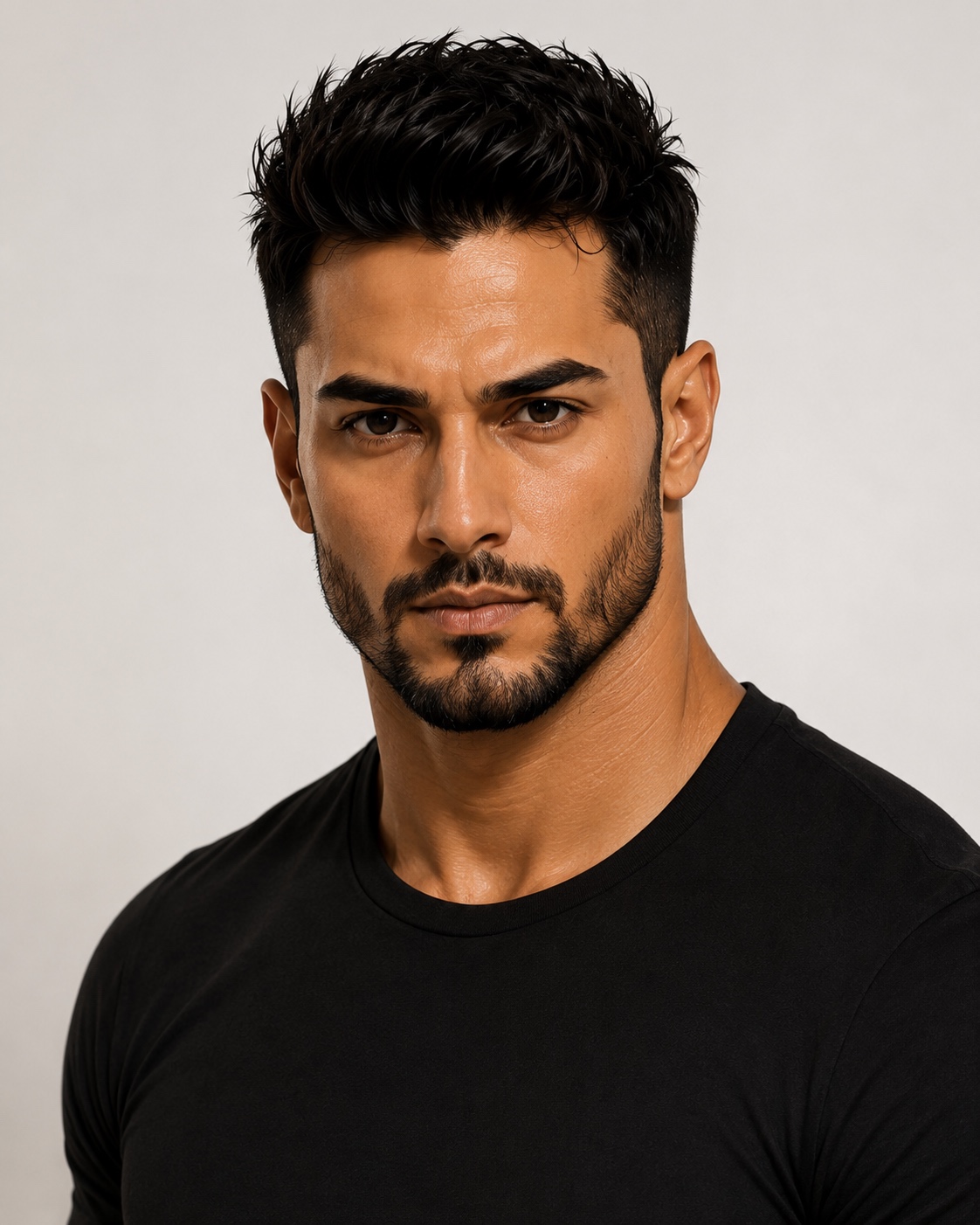
Same identity, different scenes
Once the reference holds, the scene can change freely. The person can't.


The value of Adrian was never the images. It was proving that a repeatable identity system could be built for AI character work, and that the same person could stay believable across conditions that normally break AI generation.
The same logic, applied to products.
With product and brand imagery the failure modes shift. Logo accuracy, product shape, texture realism, lighting consistency, composition control, brand-safe styling.
The fix is the same. Lock the attributes and the brand rules before creative variation starts. That's the difference between campaign assets and visual experimentation.
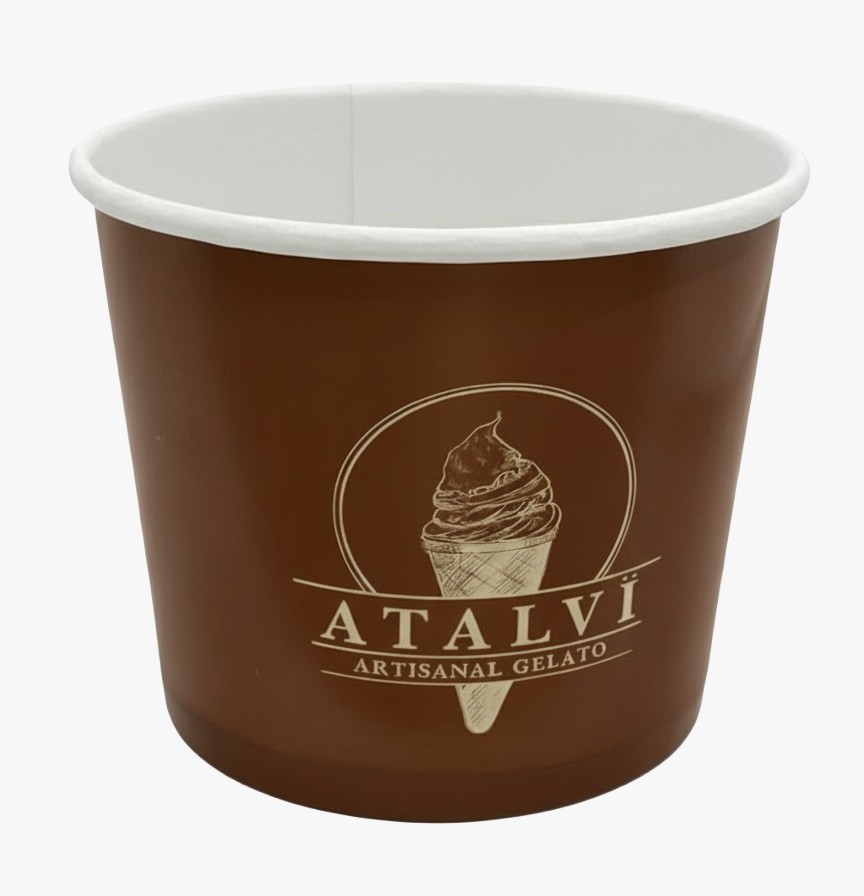
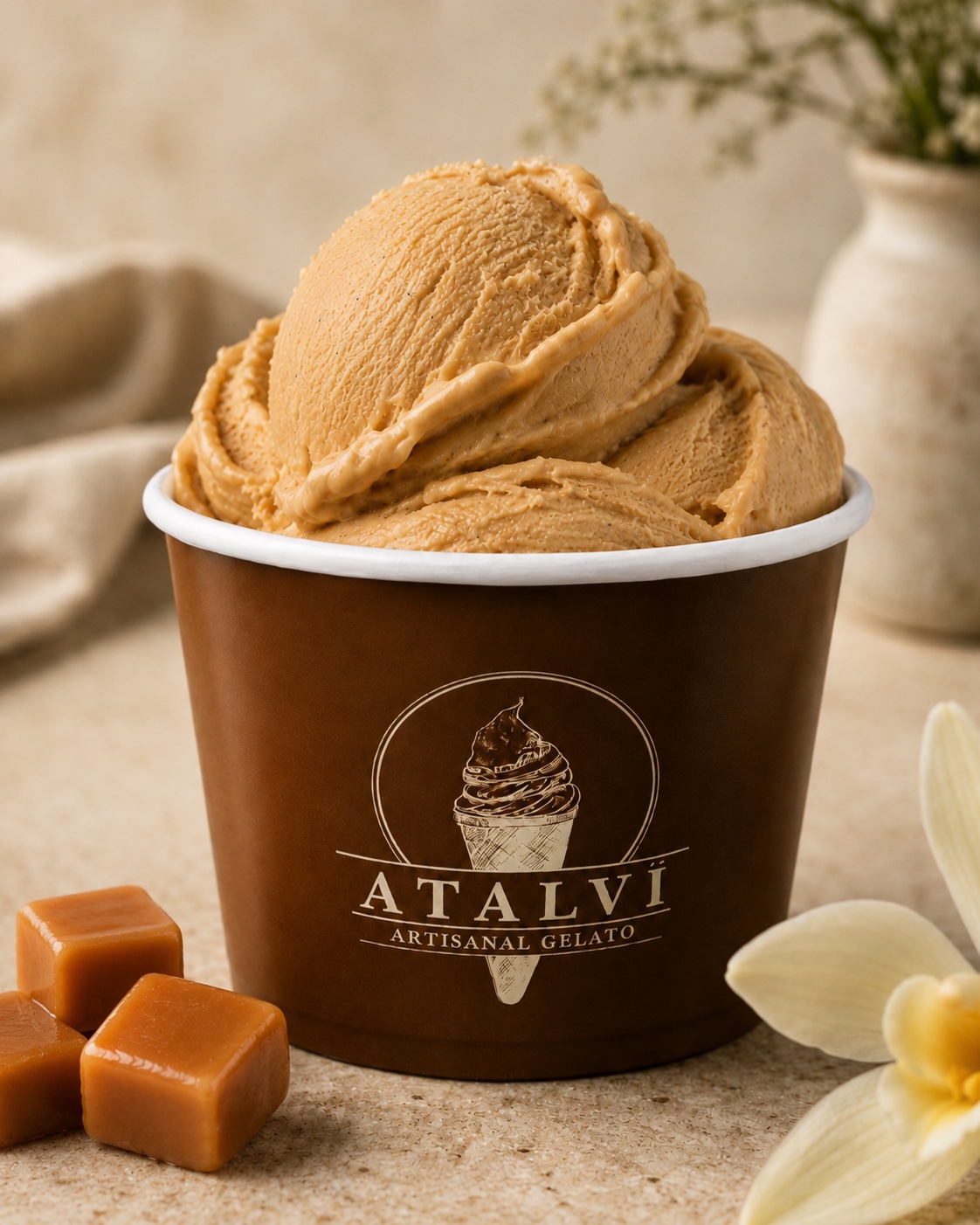
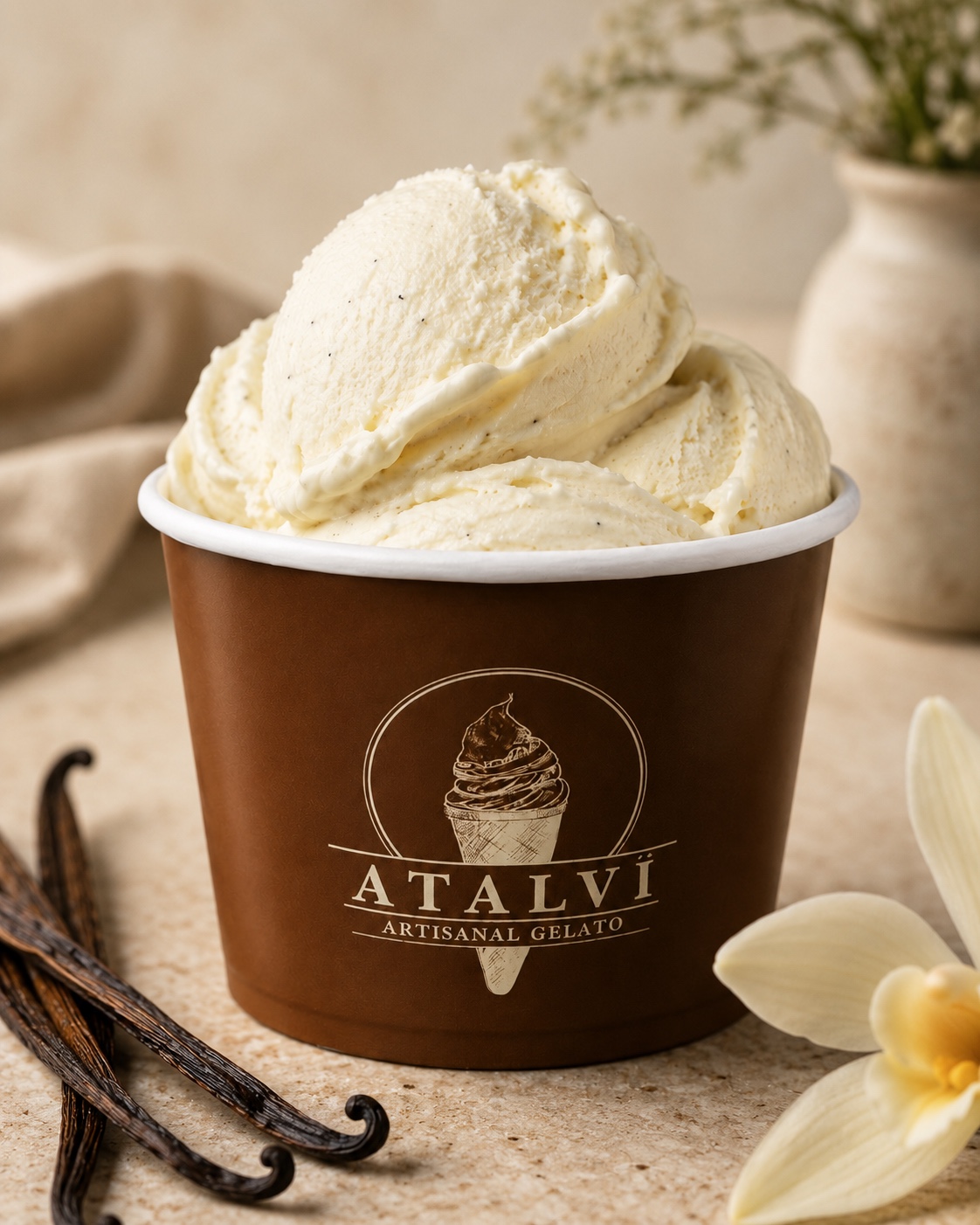
What gets rejected, and why.
AI output is easy. Consistent, brand-safe, usable AI output is hard. Every workflow needs review logic and a standard, or the drift ships.
Identity drift check
Every output is compared against the locked reference. If the face, proportions, or defining features have moved, it doesn't matter how good the image looks. It fails.
Skin and texture realism
Waxy skin is the most common tell in AI portraiture. Texture, pore detail, and how skin responds to light get reviewed specifically, not just glanced at.
Lighting behaviour
Light has to behave like light. Shadows that don't match the source, or highlights that sit wrong on the form, break believability faster than anything else.
Brand safety
Distorted logos, wrong product shape, or off-brand styling are hard rejects. A beautiful image with a warped logo is worse than useless, it's a liability.

A good-looking frame that still fails the standard. This is what the QA loop exists to catch, and the reason it's cheaper to reject than to ship and hope nobody looks closely.
What this actually buys a team.
This was designed as an internal creative system and workflow logic exercise rather than a public tool. Because of that, I present it as a sanitized case study focused on reasoning, workflow design, and visual control rather than sharing full prompt libraries, client-sensitive assets, or internal generation workflows.